Poker Quiz! Q♠Q♦ on a Draw-Heavy Turn, What Do You Do?
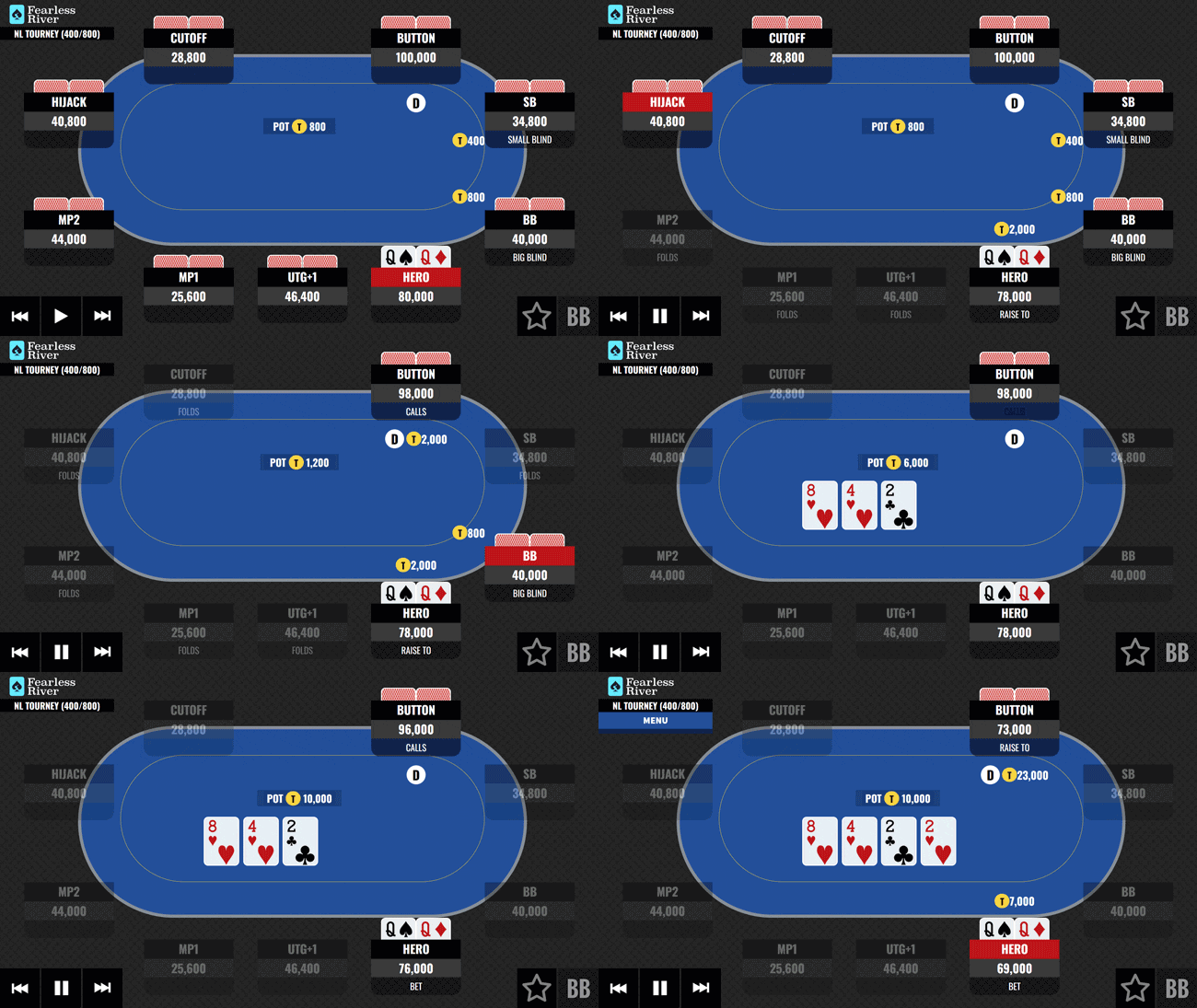
DECISION POINT: You’re playing in a weekend tournament at your local casino, and the reentry period just ended. The blinds are 400/800 with a 800 big blind ante. You are second in chips at your table with an 80,000 (100BBs) chip stack. From Under the Gun you make the standard open and raise to 2,000 with Q♠Q♦ and only the Button, who has you covered, calls. The flop is 8♥4♥2♣. You continuation bet 2,000 and get called. You bet 7,000 on the 2♥ turn and your opponent raises to 23,000. What do you do here?
Vote and see how your answer compares to other players 👇
PRO ANSWER: We are playing in a weekend tournament at our local casino. The reentry period just ended, and the blinds are 400/800 with an 800 big blind ante. We have built up an 80,000 chip stack during the reentry period, which covers the entire table except for the Button, who has 100,000 chips. We are dealt Q♠Q♦ UTG and make a standard raise to 2,000 chips. Everyone folds to the Button who just calls. Both Blinds fold, and we’re off to a flop of 8♥4♥2♣.
Most players will throw out a continuation bet here without a second thought, but it’s important to always be evaluating situations. Range advantage is the primary driver of betting frequency, and we do have a significant range advantage over our opponent in this spot. However, we have an SPR of 13 and an overpair that does not contain a heart. Our opponent will make this call preflop on the Button with a range that is weighted heavily toward suited hands and includes a lot of pocket pairs/suited connectors that connect well with this board.
If we look at this spot in a solver, pocket queens mix between betting and checking, which shows just how tough it can be to play overpairs on boards like this against a skilled Button and with deep stacks. In this situation, we do decide to make a continuation bet of 2,000, and our opponent just calls.
The turn is the 2♥. Now the obvious draw is completed, but given the small bet on the flop, our opponent still has many 8x hands in their range as well as a lot of pocket pairs. If we check and fold to a turn bet against that range, we are giving up our hand with far too much equity. Pocket queens without a heart benefit a fair amount from protection against a lot of our opponent’s range that will have around 11 outs against a vulnerable hand that has strong equity. Based on how these ranges interact on this board, our hand favors going a bit on the larger side with a turn second barrel.
We bet 7,000 and the Button raises to 23,000. Many players struggle with what to do with a big overpair in this situation.
If we step back and evaluate this spot logically, would our opponent ever do this with a worse hand for value? It is unlikely, which means our queens are basically a bluff catcher. Is our opponent bluffing often enough to make calling profitable?
If we consider the Button's actions on each street, there aren’t a lot of hands that make logical bluffs. Our opponent’s range is composed of strong made hands or hands with some showdown value that would likely prefer calling to raising.
Even though we started with the third-best hand in poker preflop, our pocket queens become simply a bluff catcher in a spot where our opponent doesn’t have a lot of bluffs.
Folding is the best play.
How would you play it?
Share your answer in the comments below!
Will YOU Be Our Next Bracelet Winner?
Our students consistently crush the summer poker season, bringing home massive scores and achieving their poker dreams.
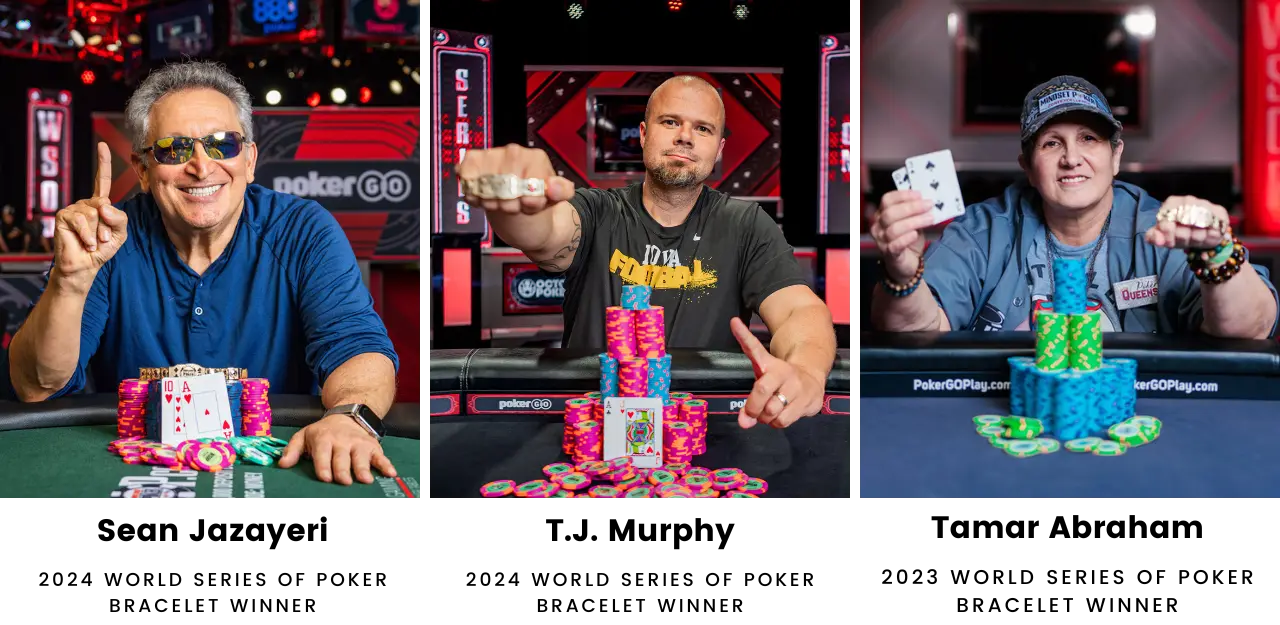
In fact, in just the past few years alone during the summer in Vegas Fearless River Students have achieved:
🥇 4 WSOP BRACELETS
🏆 6 WSOP Final Tables
💪 1 Around Town Win
👏 9 Around Town Final Tables
💰 Over $1.7 Million in Cashes
Ready to be our next success story?
Become a FearlessRiver.com Member now for just $5 your 1st month and start preparing for your best summer yet.
Have Questions about Fearless River? Send an email to our Support Team at [email protected] or click the CONTACT US button.